
Abstract
Biodiversity, encompassing the variety of life on Earth, plays a critical role in maintaining the stability and functioning of ecosystems. This article explores the multifaceted importance of biodiversity, highlighting its ecological, economic, cultural, and aesthetic value. As biodiversity faces unprecedented threats from human activities, including deforestation, pollution, climate change, and habitat destruction, the need for urgent conservation efforts becomes increasingly apparent. The article emphasizes the centrality of biodiversity to both ecological health and human well-being, arguing for the necessity of preserving the natural world for future generations.
Keywords: Biodiversity, Ecosystem services, Conservation, Climate change, Ecosystem resilience, Economic value, Cultural heritage
1. Introduction
Biodiversity, defined as the variety of life in all its forms, levels, and combinations, is crucial to the resilience and functioning of ecosystems. It encompasses species diversity, genetic diversity within species, and the diversity of ecosystems themselves (CBD, 1992). As human activities accelerate the decline of biodiversity, this article examines the importance of biodiversity from various perspectives, including ecological, economic, and cultural domains. It also addresses the critical need for conservation efforts to ensure the continued well-being of both ecosystems and human societies.
2. Ecological Functions and Ecosystem Services
Biodiversity is fundamental to the proper functioning of ecosystems, as each species performs specific roles that maintain ecological balance. These include processes such as nutrient cycling, soil formation, pollination, and climate regulation (Hooper et al., 2012). Pollinators, such as bees, are particularly important for the reproduction of many plants, including a variety of crops essential for human food security (Potts et al., 2016). The loss of pollinators would have significant cascading effects throughout ecosystems, undermining agricultural productivity and threatening global food systems.
Furthermore, biodiversity contributes to ecosystem resilience, which refers to the ability of an ecosystem to recover from disturbances such as natural disasters or anthropogenic stresses. Ecosystems rich in species are better able to withstand and adapt to environmental changes. For example, diverse forests with multiple tree species are more resistant to pests and diseases than monocultural forests, which are particularly vulnerable to single-species epidemics (Tilman et al., 2006). Consequently, biodiversity enhances ecosystem stability and ensures the long-term sustainability of natural resources.
3. Economic Value and Resource Provision
Biodiversity is the foundation of numerous industries, including agriculture, fisheries, pharmaceuticals, and tourism. The economic value of biodiversity is seen in its provision of resources, including food, raw materials, and medicinal compounds (TEEB, 2010). Genetic diversity in crop species enables agricultural systems to remain resilient in the face of pests, diseases, and climatic variations. Similarly, the diversity of marine life sustains global fisheries, providing food and livelihood for millions of people worldwide (FAO, 2020).
Pharmaceutical industries also rely heavily on biodiversity for the discovery of new drugs. Natural compounds derived from plants, animals, and microorganisms have long been a source of important medicinal products. For instance, the development of quinine from the bark of the cinchona tree has been pivotal in the treatment of malaria (Raskin et al., 2002). Biodiversity thus contributes not only to public health but also to the economic prosperity of nations that benefit from the sustainable use of natural resources.
In addition, biodiversity underpins the global ecotourism sector, which generates significant revenue for many countries. Ecotourism, based on the allure of natural landscapes and wildlife, is a major economic driver in areas such as the Amazon rainforest and East Africa’s savannahs. The loss of biodiversity, particularly through habitat destruction, poses a direct threat to the ecotourism industry, undermining the economic stability of regions dependent on these ecosystems.
4. Cultural and Aesthetic Significance
Biodiversity holds profound cultural and aesthetic significance, particularly for indigenous and local communities who share a deep spiritual and practical connection with the natural world. Many indigenous cultures have developed a rich body of knowledge regarding local flora, fauna, and ecosystems, which forms the basis of their cultural heritage and traditions (Garnett et al., 2018). Specific species or ecosystems may hold symbolic importance, playing central roles in religious ceremonies, myths, and traditional practices.
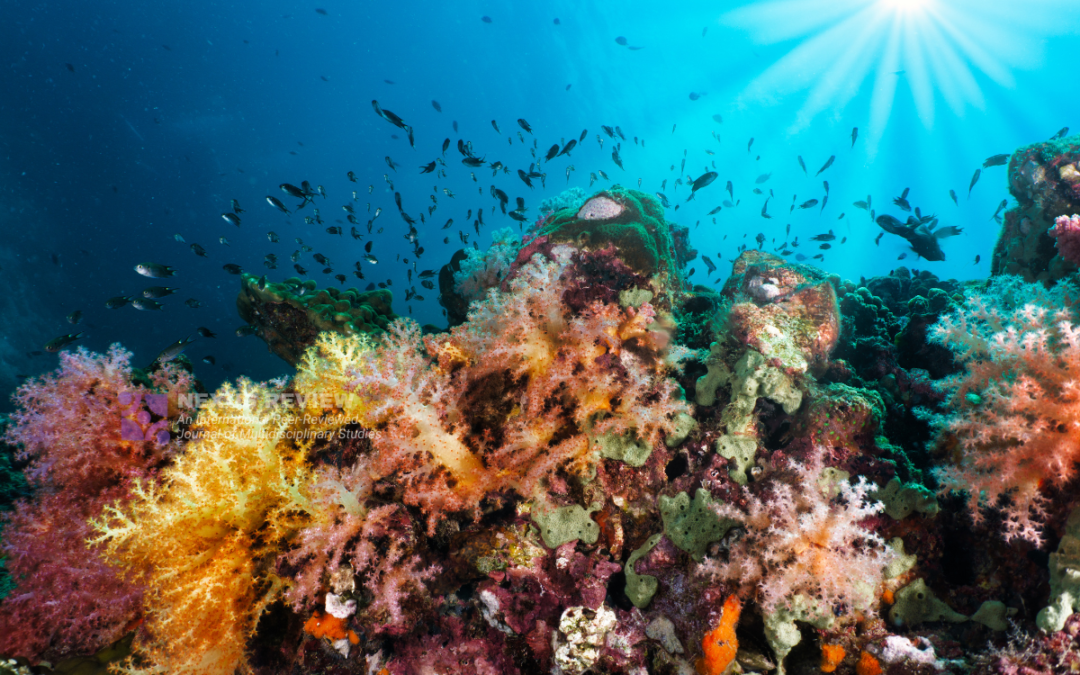
Moreover, biodiversity enriches human life by providing aesthetic and recreational opportunities. Natural landscapes—ranging from forests and wetlands to coral reefs and grasslands—offer spaces for reflection, recreation, and inspiration. The intrinsic beauty of biodiversity, through its colors, sounds, and forms, fosters a deeper connection to nature and nurtures human well-being (Kellert et al., 2008). This emotional and psychological connection underscores the importance of preserving biodiversity, not only for utilitarian purposes but also for the intangible benefits it provides.
5. The Threats to Biodiversity
Despite its fundamental importance, biodiversity is currently facing unprecedented threats. Human activities are the primary drivers of biodiversity loss, with deforestation, habitat destruction, climate change, overexploitation, and pollution being the major contributors (Sala et al., 2000). Current extinction rates are estimated to be 1,000 to 10,000 times higher than the natural background rate, signaling a significant loss in the richness of life on Earth (Wilson, 2016).
Climate change is a particularly pressing threat to biodiversity, as rising temperatures, altered rainfall patterns, and ocean acidification disrupt ecosystems and species distributions (IPCC, 2023). Coral reefs, for example, are highly sensitive to temperature changes, leading to widespread bleaching events and the degradation of these ecosystems. Similarly, species that cannot adapt to rapidly changing environments face extinction, further eroding biodiversity and weakening ecosystem services.
6. The Urgency of Conservation Efforts
Given the vital role that biodiversity plays in sustaining life on Earth, urgent action is required to mitigate the threats it faces. Global conservation strategies, including the establishment of protected areas, habitat restoration, and sustainable resource management, are essential to preserving biodiversity (CBD, 1992). Additionally, international frameworks such as the Convention on Biological Diversity (CBD) and the Paris Agreement emphasize the need for coordinated efforts to address biodiversity loss and the impacts of climate change.
Local communities, indigenous peoples, and the private sector also play critical roles in biodiversity conservation. Community-led initiatives, sustainable agricultural practices, and biodiversity-friendly business models can all contribute to the preservation of ecosystems and the responsible use of natural resources (Barton et al., 2020). These efforts, combined with global policies, can help to stem the tide of biodiversity loss and ensure the long-term sustainability of the planet’s ecosystems.
7. Conclusion
Biodiversity is a cornerstone of ecological health, economic prosperity, and cultural richness. Its value extends beyond material resources, encompassing the essential services ecosystems provide and the deep connection that humans have with the natural world. As the threats to biodiversity continue to intensify, it is imperative that we act swiftly and decisively to protect the diverse forms of life that sustain our planet. The preservation of biodiversity is not only an environmental issue but also a matter of human survival and well-being. Through collective efforts, we can ensure that future generations inherit a world teeming with life, providing them with the resources, beauty, and inspiration needed to thrive.
References
Barton, D. N., et al. (2020). Community-based biodiversity conservation: Evidence from the field. Ecological Economics, 169, 106510.
Convention on Biological Diversity (CBD). (1992). Convention on Biological Diversity. United Nations Environment Programme.
Food and Agriculture Organization (FAO). (2020). The state of world fisheries and aquaculture 2020: Sustainability in action. FAO.
Garnett, S. T., et al. (2018). The role of Indigenous knowledge in biodiversity conservation: Re-examining practices and perspectives. Journal of Ethnobiology, 38(1), 3-21.
Hooper, D. U., et al. (2012). A global synthesis reveals biodiversity loss as a major driver of ecosystem change. Nature, 486, 105-108.
Intergovernmental Panel on Climate Change (IPCC). (2023). Climate Change 2023: The Physical Science Basis. IPCC.
Kellert, S. R., et al. (2008). Biodiversity and human health: The impact of nature on public health. Springer.
Potts, S. G., et al. (2016). The role of pollinators in food security and ecosystem services. In Pollinators and Ecosystem Services (pp. 45-70). Springer.
Raskin, I., et al. (2002). Plants and human health: A diverse array of pharmaceutical agents. Journal of Ethnopharmacology, 81(1), 6-11.
Sala, O. E., et al. (2000). Global biodiversity scenarios for the year 2100. Science, 287(5459), 1770-1774.
TEEB. (2010). The Economics of Ecosystems and Biodiversity Ecological and Economic Foundations. Pushpam Kumar (Ed.), Routledge.
Tilman, D., et al. (2006). Biodiversity and ecosystem stability in a decade-long grassland experiment. Nature, 441(7093), 629-632.
Wilson, E. O. (2016). Half-Earth: Our Planet’s Fight for Life. Liveright Publishing.